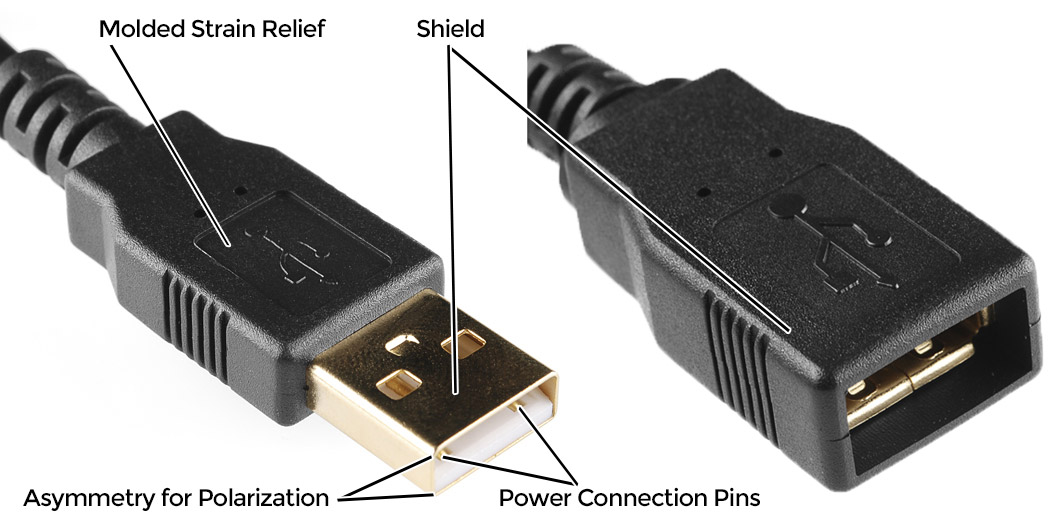
The Evolution of USB: From Standard to SuperSpeed
The Universal Serial Bus (USB) standard has undergone significant transformations since its inception in 1996. Originally designed to simplify the connection of peripheral devices to computers, USB has evolved from the early USB 1.0, which supported data transfer rates of up to 1.5 Mbps, to the much faster USB 2.0, offering speeds of 480 Mbps. This revolutionized how we interacted with technology, enabling users to connect printers, cameras, and storage devices with ease, eliminating the need for multiple connection types. Over the years, with the rise of digital devices and the demand for faster data transfer, the standard has continued to evolve, leading to the introduction of USB 3.0 and its subsequent versions.
With the launch of USB 3.0 in 2008, users experienced a dramatic increase in data transfer speeds, reaching up to 5 Gbps, which was a game changer for external hard drives and high-resolution video devices. The subsequent evolution to USB 3.1 and USB 3.2, alongside the introduction of the USB Type-C connector, further enhanced usability and performance. Today, USB4 promises even greater capabilities, supporting data speeds of up to 40 Gbps and providing a versatile platform for connecting various types of devices, from smartphones to high-end monitors. As technology continues to advance, the evolution of USB reflects our ever-growing need for speed and efficiency in a connected world.
If you're looking to expand your connectivity options, check out the Top 10 Powered USB Hubs that offer reliable power supply and multiple ports for all your devices. These hubs are perfect for powering devices like external drives, cameras, and other peripherals without draining your computer's resources.
How USB Ports Have Transformed Technology Connectivity
The advent of USB ports has revolutionized the way we connect devices, facilitating a seamless transfer of data and power across various platforms. Before the introduction of USB, users had to deal with a plethora of cables and connectors that often varied from one device to another. The Universal Serial Bus (USB) standard, launched in the mid-1990s, aimed to simplify this connectivity issue by providing a uniform interface for connecting a wide array of peripherals including keyboards, mice, printers, and external storage devices. USB ports have enabled plug-and-play capabilities, allowing devices to be connected and recognized instantly without the need for complex software installations, thereby enhancing user experience and productivity.
As technology evolved, so did the capabilities of USB ports. The introduction of USB 2.0, 3.0, and now USB-C has dramatically increased data transfer speeds and power delivery. USB-C, in particular, has emerged as a game changer, supporting higher wattage for charging and allowing for video output capabilities, which means users can connect their laptops to larger displays easily. The versatility of USB ports has made them indispensable in modern technology, fostering a landscape where innovation thrives and consumers enjoy greater convenience when connecting their devices. As we look towards the future, the ongoing development of USB technology promises even more connectivity options and higher efficiencies.
What Makes USB the Go-To Choice for Modern Devices?
In today's fast-paced digital world, USB (Universal Serial Bus) has emerged as the go-to choice for connecting a myriad of modern devices. Its versatility and ease of use are unparalleled, enabling seamless connections between computers, peripherals, smartphones, and other electronic gadgets. The standardized nature of USB provides a consistent experience for users, ensuring that one cable can serve multiple purposes, from data transfer to charging. Furthermore, with the advent of USB-C, a reversible design has made it even more user-friendly, eliminating the frustration of fumbling with connections.
Another compelling reason why USB is favored by both consumers and manufacturers alike is its ability to support high-speed data transfer and power delivery. Modern USB specifications, such as USB 3.2 and USB 4, allow for data transfer rates that can reach up to 40 Gbps, making it ideal for transferring large files and streaming high-quality content. Additionally, USB can deliver sufficient power to charge devices quickly, often replacing traditional charging methods. This combination of speed, power, and universal compatibility solidifies USB as the backbone of modern connectivity.