Top 5 Insulation Materials to Keep Your Home Cozy and Energy Efficient
When it comes to maintaining a cozy and energy-efficient home, choosing the right insulation materials is crucial. Here are the top 5 insulation materials you should consider:
- Fiberglass Insulation: This popular choice is made from fine glass fibers and is known for its excellent thermal performance. It’s non-combustible and resistant to moisture. For more information, visit Energy.gov.
- Foam Board Insulation: Ideal for basement walls and exterior walls, foam boards provide a high insulating value with relatively low thickness. They’re moisture-resistant and can help reduce energy costs significantly. Learn more at HomeAdvisor.
- Spray Foam Insulation: Known for its superior sealing properties, spray foam expands to fill gaps and cracks, enhancing both thermal and sound insulation. This innovative material can boost your home’s energy efficiency. More details can be found on Better Homes & Gardens.
- Cellulose Insulation: Made from recycled paper products, cellulose is an eco-friendly insulation option that provides great thermal performance. It’s particularly effective in attics and older homes. Check out Green Building Advisor for more insights.
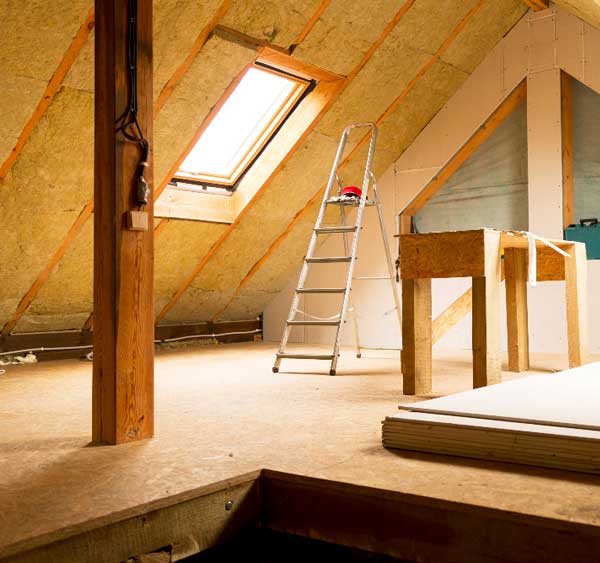
- Mineral Wool Insulation: Also known as rock wool, this insulation is fire resistant and excellent at soundproofing. It also resists moisture and doesn’t promote mold growth. For an in-depth look, refer to ISO100.
Choosing the best insulation materials can significantly affect your energy bills and overall comfort level in your living spaces. By investing in any of these top 5 insulation materials, you can create a more energy-efficient home that stays warm in winter and cool in summer. Make sure to evaluate your home’s specific needs and consult with a professional to find the right insulation for your situation. A well-insulated home not only enhances comfort but also contributes to a sustainable and eco-friendly lifestyle.
FAQ: How Insulation Can Significantly Lower Your Energy Bills
How does insulation help reduce energy bills? Insulation plays a crucial role in maintaining your home's temperature, keeping it cooler in the summer and warmer in the winter. By preventing heat transfer, proper insulation minimizes the energy required to heat or cool your home. This translates to less strain on your heating and cooling systems, allowing them to function more efficiently and reducing your overall energy consumption. As a result, homeowners can expect significant savings on their monthly energy bills.
In addition to lowering energy costs, insulation also contributes to a more comfortable living environment. By reducing drafts and maintaining a consistent temperature throughout your home, effective insulation enhances indoor air quality and reduces the likelihood of mold growth caused by condensation. Moreover, investing in insulation can increase your home's value and appeal to potential buyers, making it a smart financial decision in the long run.
The Ultimate Guide to DIY Home Insulation: Tips and Tricks for Every Homeowner
DIY home insulation is a crucial step for homeowners looking to improve energy efficiency and comfort in their living spaces. By understanding the importance of good insulation, you can effectively reduce energy costs and maintain a more stable indoor temperature. Home insulation can be tackled in several ways, and with the right tools and materials, most homeowners can undertake this project. For a comprehensive overview of insulation materials and methods, check out Energy Saver.
Start by assessing your home for areas that need insulation, such as attics, basements, and walls. Use a combination of traditional insulation methods like fiberglass batts and modern solutions such as spray foam for optimal results. DIY home insulation not only saves costs but allows for customization based on your home's specific needs. For practical tips on installation techniques, visit HouseLogic.