Understanding the Science Behind HIIT: Why Short Workouts are More Effective
High-Intensity Interval Training (HIIT) has gained substantial popularity in recent years, and for good reason. The science behind HIIT shows that short, intense bursts of exercise followed by rest periods can yield maximum results in less time. This approach not only improves cardiovascular health but also boosts metabolic rate, leading to greater fat loss compared to traditional steady-state workouts. Studies indicate that a 20-minute HIIT session can burn more calories than a 45-minute jog, making it an efficient choice for those with busy schedules.
One of the core principles of HIIT is its ability to engage both aerobic and anaerobic systems, which enhances overall fitness. During these short workouts, the body undergoes what is known as the afterburn effect, or excess post-exercise oxygen consumption (EPOC), where the body continues to burn calories long after the workout has finished. This is a key reason why HIIT can be more effective than longer low-intensity workouts, as it encourages muscles to adapt and grow stronger, leading to improved performance over time.
Top 10 HIIT Workouts to Maximize Your Fitness in Minimal Time
If you're looking to maximize your fitness in minimal time, HIIT (High-Intensity Interval Training) is the way to go. This workout style alternates between intense bursts of activity and short recovery periods, making it incredibly effective for burning calories and boosting your metabolism. Here are the Top 10 HIIT Workouts that you can incorporate into your routine for maximum results:
- Tabata Training: A popular format that consists of 20 seconds of intense exercise followed by 10 seconds of rest, repeated eight times.
- Burpee Intervals: A full-body exercise that combines squats, planks, and jumps for a high-impact workout.
- Sprint Intervals: Alternating between 30 seconds of sprinting and 1 minute of walking or jogging.
- Bodyweight Circuits: Utilize exercises like push-ups, lunges, and mountain climbers in quick succession.
- Kettlebell Swings: Incorporate kettlebells for a dynamic workout that targets multiple muscle groups.
- Jump Rope Intervals: A great way to elevate your heart rate and improve coordination.
- Battle Ropes: Fantastic for upper body conditioning and core strength.
- Box Jumps: Increase power and explosiveness with this plyometric exercise.
- Medicine Ball Slams: Engage your core and get a full-body workout.
- Cycling Sprints: Alternate high-intensity cycling with slower-paced recovery.
How to Get Started with HIIT: A Beginner's Guide to High-Intensity Training
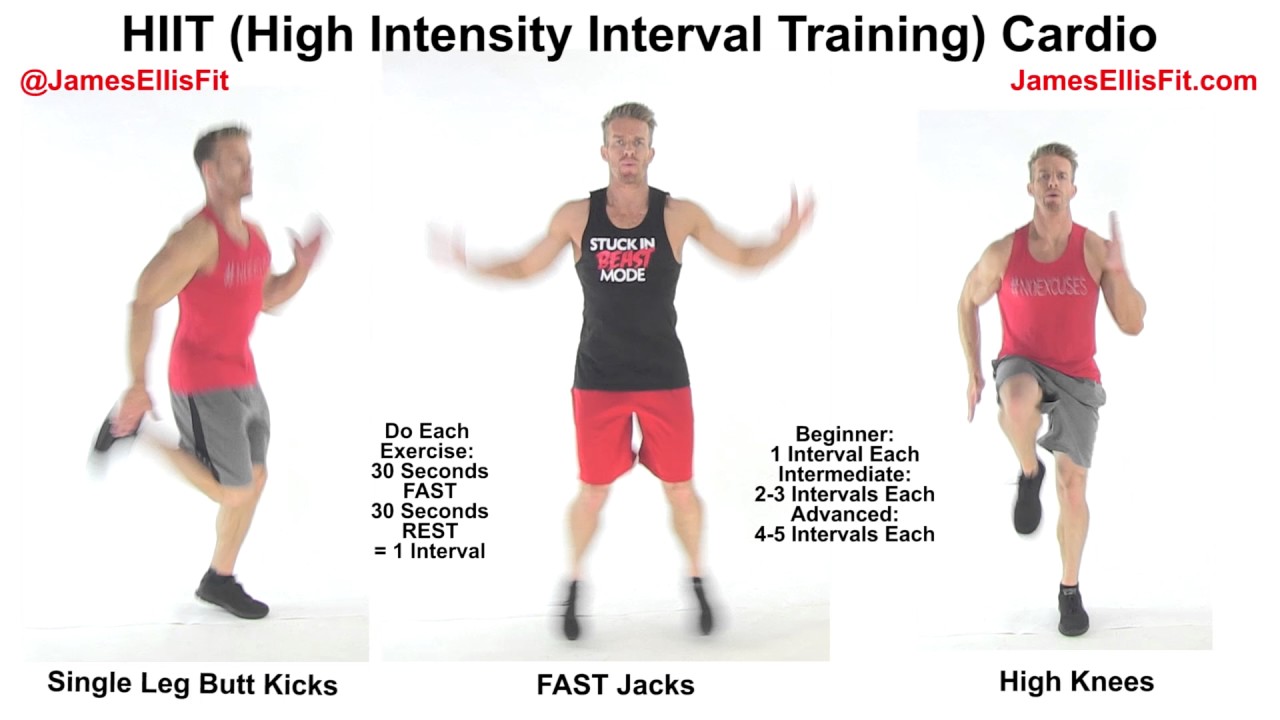
High-Intensity Interval Training (HIIT) is a popular workout method that alternates between short bursts of intense exercise and brief recovery periods. For beginners looking to get started with HIIT, it's essential to first assess your fitness level and choose exercises that are suitable for you. Common exercises include burpees, sprints, and jumping jacks. Start by selecting 2 to 4 different exercises and aim for a work-to-rest ratio of 1:2. For example, you could perform 30 seconds of intense exercise followed by 60 seconds of rest. This format allows your body to adapt and gradually improve your endurance and strength.
To create an effective HIIT routine, consider the following steps:
- Warm up: Begin with a 5 to 10-minute warm-up to prepare your muscles and joints.
- Set a timer: Use a timer to keep track of your intervals, ensuring you stick to the work-to-rest ratio.
- Stay hydrated: Drink plenty of water before, during, and after your workout to maintain hydration.
- Cool down: Finish with a cool-down period that includes stretching to help your body recover.