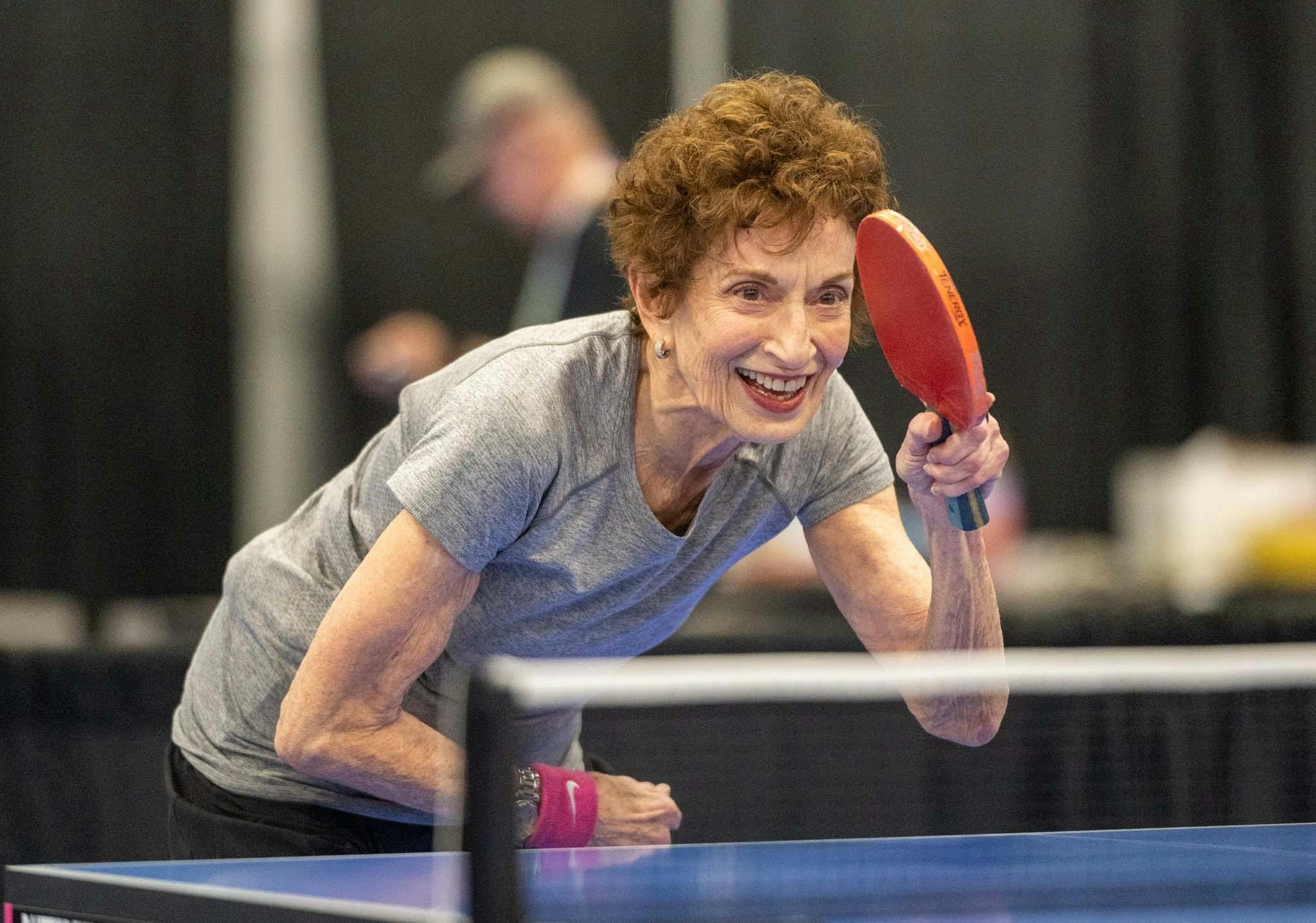
The Evolution of Ping Pong: From Casual Play to Competitive Sport
The history of ping pong, also known as table tennis, dates back to the late 19th century when it emerged as a parlor game in England. Initially played with improvised equipment, including a makeshift table and ordinary household items like books for paddles, the game quickly gained popularity among the upper class as a form of indoor entertainment. By the turn of the century, manufacturers began producing specialized equipment, which marked the transition from a casual pastime to a more structured game. The development of standardized rules and the introduction of the first official tournaments paved the way for the sport's formalization, setting the stage for competitive play.
As ping pong evolved, it became a staple in international sports culture, leading to the establishment of the International Table Tennis Federation (ITTF) in 1926. This organization initiated world championships and played a crucial role in standardizing the rules across nations. The sport gained further recognition when it was included in the Olympic Games in 1988, providing a platform for elite athletes to showcase their skills. Today, ping pong is synonymous with speed, precision, and strategy, transforming from a simple recreational activity into a global competitive sport that attracts millions of players and fans alike.
Top 10 Ping Pong Techniques for Dominating Your Next Showdown
Mastering the art of ping pong requires more than just raw talent; it involves understanding and implementing effective techniques that can give you the upper hand in competitive play. Here are the Top 10 Ping Pong Techniques that can help you dominate your next showdown:
- Serve Variation: A well-executed serve can catch your opponent off-guard. Experiment with different spins and angles to make your serve unpredictable.
- Topspin Technique: Utilizing topspin adds speed and trajectory to your shots, making them harder to return.
- Backspin Defense: Mastering backspin allows you to control the pace of the game and set traps for your opponent.
- Footwork Fundamentals: Quick and agile footwork is crucial for positioning, allowing you to reach balls efficiently and set up your shots.
- Paddle Grip Precision: Choosing the right grip can enhance your control and power. Experiment with alternatives like the shakehand or penhold grip.
- Return of Serve: Anticipating your opponent's serve and responding with confidence can shift the momentum in your favor.
- Shadow Practice: Developing muscle memory through shadow practice helps reinforce your technique without the need for a partner.
- Strategic Placement: Placing your shots strategically complicates your opponent's returns and keeps them on their toes.
- Psychological Tactics: Mind games can be as effective as physical techniques. Build confidence and maintain composure, even when faced with pressure.
- Consistent Drilling: Regular practice of these techniques not only sharpens your skills but also builds endurance and confidence in your gameplay.
What Makes a Great Ping Pong Player? Skills and Strategies to Consider
To become a great ping pong player, a combination of skills and strategies is essential. First and foremost, hand-eye coordination is crucial, as it allows players to react swiftly and accurately to the fast-moving ball. Additionally, mastering the fundamental strokes such as the forehand, backhand, and serve can dramatically improve overall performance. A great player also understands the importance of footwork; being in the right position not only enhances the effectiveness of their shots but also helps in maintaining balance during intense rallies.
Another key factor is mental toughness and strategic thinking. A successful ping pong player anticipates their opponent's moves and develops game plans that exploit weaknesses. This often includes a diverse range of tactics, from aggressive play styles to defensive strategies. Furthermore, maintaining focus and composure under pressure can make the difference between winning and losing close matches. Ultimately, blending skill, strategy, and mental fortitude is what separates great players from the rest.