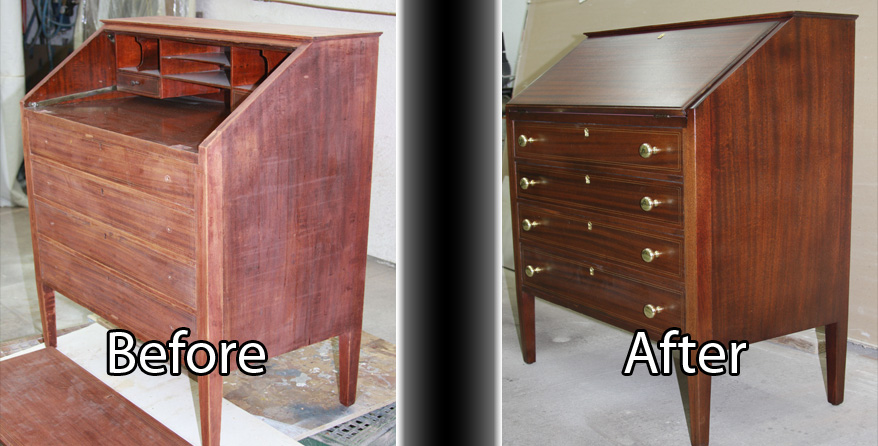
Top 5 Tips for Restoring Vintage Furniture: A Step-by-Step Guide
Restoring vintage furniture can be a rewarding endeavor, allowing you to breathe new life into cherished pieces. To start, assess the condition of your furniture. Check for structural integrity, surface damage, and any signs of infestation. Once you've evaluated the piece, gather your tools and materials, such as sandpaper, paint or stain, and upholstery supplies, if necessary. Always work in a well-ventilated area and wear protective gear to ensure safety while you restore your vintage treasure.
Next, follow these top 5 tips to ensure a successful restoration:
- Clean thoroughly: Remove dirt and grime with a soft cloth and appropriate cleaners.
- Repair damages: Fix any loose joints or broken parts before proceeding.
- Strip old finishes: Use a chemical stripper to get rid of outdated paint or varnish.
- Refinish the surface: Sand down the surface and apply your chosen finish, whether it’s paint, stain, or varnish.
- Reupholster if needed: Replace worn-out fabric to restore comfort and style.
With patience and careful execution of these steps, your vintage furniture will not only retain its history but also gain a fresh look that will be appreciated for decades to come.
The Art of Upcycling: Transforming Forgotten Pieces into Treasured Relics
The art of upcycling is not just a creative outlet; it is a meaningful way to breathe new life into forgotten pieces and transform them into treasured relics. By reimagining items that might otherwise end up in a landfill, individuals can tap into their creativity while contributing to environmental sustainability. Whether it’s an old wooden chair that can be refinished or a collection of glass bottles that can be turned into decorative vases, the possibilities are endless. Each project tells a unique story, and the process of upcycling encourages us to consider the emotional and historical value of objects we often overlook.
Embracing the art of upcycling not only enhances our living spaces but also fosters a deeper appreciation for craftsmanship and individuality. Below are some popular techniques to inspire your next project:
- Furniture Restoration: Sanding, painting, or reupholstering old furniture can rejuvenate its appearance and extend its lifespan.
- Fabric Repurposing: Transforming old clothes into tote bags or cushion covers adds a personal touch to your home décor.
- Decorative Art: Use scrap materials like wood, metal, and glass to create unique wall hangings or sculptures that reflect your style.
By embracing these techniques, you can turn ordinary objects into extraordinary pieces, celebrating the beauty of upcycled art in your everyday life.
What to Look for When Reviving Antique Furniture: Essential Features to Consider
Reviving antique furniture can be a rewarding endeavor, bringing history and character back into your home. When assessing a piece for restoration, it's crucial to check for its structural integrity. Examine the joints, legs, and overall stability. Look for signs of damage such as cracks or warping in the wood, which can affect both the aesthetics and longevity of the piece. Additionally, consider the patina; a well-preserved finish can enhance the value of the furniture. Remember, maintaining as much of the original material as possible during the revival process is essential to preserve its authenticity.
Another key aspect to consider when reviving antique furniture is its style and era. Understanding the historical context of the piece can guide you in making appropriate restoration decisions. Research the type of wood used, the design elements, and any physical alterations that may have occurred over the years. Seek out original features such as hardware, carvings, and upholstery that reflect the furniture’s age. Lastly, it’s beneficial to determine whether to aim for a full restoration or a more subtle touch-up, as both approaches can enhance the piece’s charm while respecting its history.